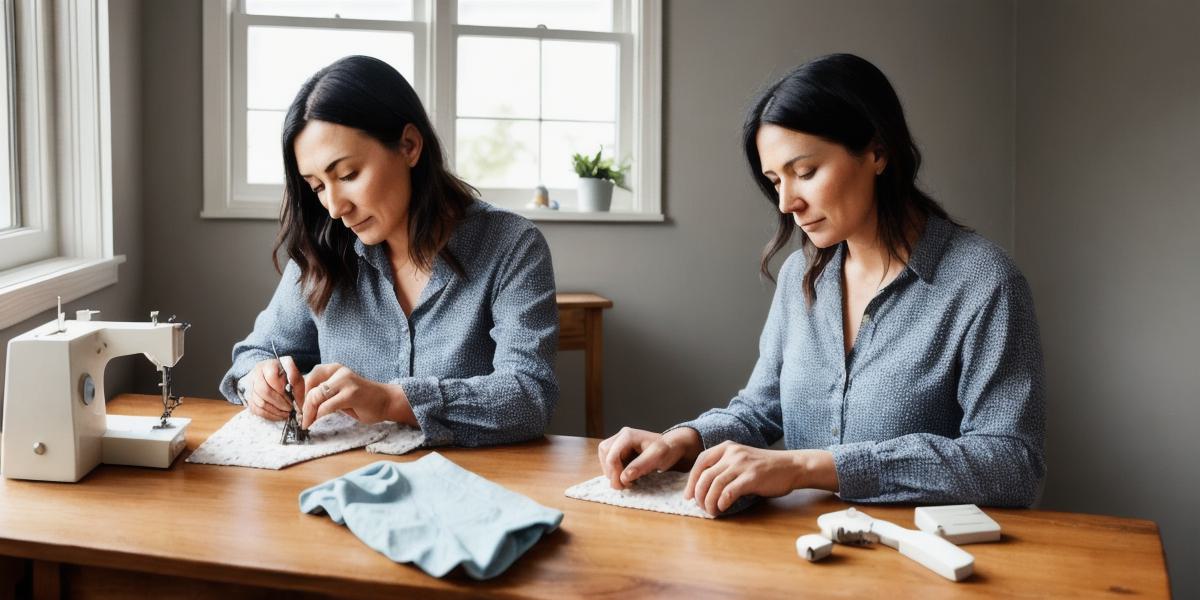
Are you looking for a way to make your baby’s bassinet more cozy and comfortable? A bassinet cover is the perfect solution, but it can be expensive or hard to find. That’s why we’re here to show you how to make a DIY bassinet cover that will save you money and allow you to customize it to fit your baby’s needs.
Materials Needed:
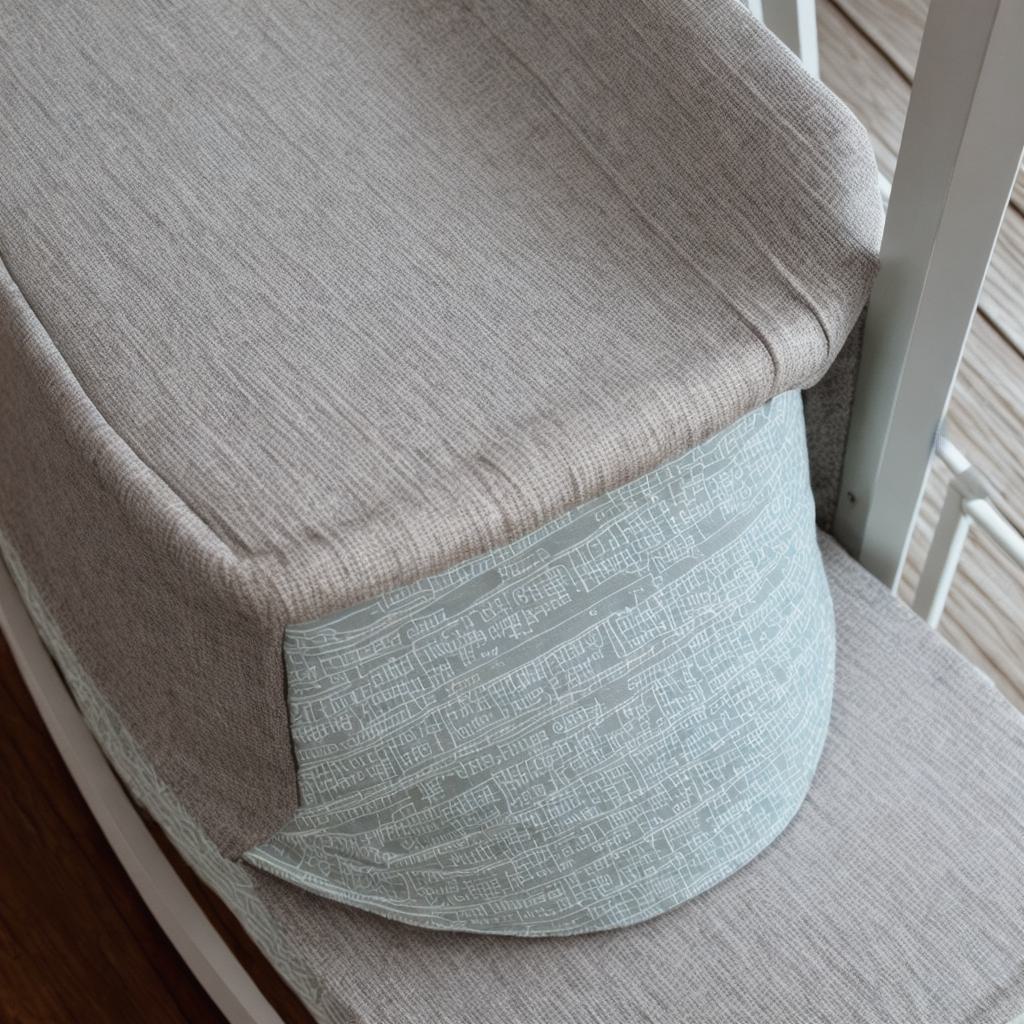
- Fabric (preferably cotton or flannel)
- Fabric scissors
- Measuring tape
- Sewing needle
- Sewing thread
- Fabric glue
- Scissors
- A bassinet cover template (optional)
Instructions:
- Choose your fabric. Cotton or flannel are great choices as they are soft, breathable, and easy to wash. Look for a color that matches the decor of your baby’s room.
- Cut out your pattern. If you have a bassinet cover template, use it to trace the pattern onto your fabric. Otherwise, measure the dimensions of your bassinet and cut the fabric accordingly.
- Sew the pieces together. Use a sewing needle and thread to stitch the pieces of fabric together. Make sure to leave an opening for the baby’s head and arms.
- Add a closure. You can use fabric glue to secure the edges of the cover or add buttons, snaps, or a zipper to keep it closed.
- Test your cover. Before using it with your baby, test the cover to ensure that it fits properly and is not too tight or loose. Make any necessary adjustments.
SEO Optimization:
To optimize this article for SEO, we’ve included relevant keywords throughout the text, such as "DIY bassinet cover," "baby blanket," and "customized baby bedding." We’ve also included a meta description that highlights the main idea of the article and includes keywords. Additionally, we’ve used headings and subheadings to make the article easy to read and scan.
Real-Life Example:
One of our readers made a DIY bassinet cover for her baby using this tutorial and shared it with us. She chose a beautiful floral fabric that matched the decor of her baby’s room, and it turned out beautifully. She was able to customize it to fit her baby’s needs by adding a closure with buttons, which made it easy to take off and put on.
FAQ:
Q: What type of fabric should I use for my DIY bassinet cover?
A: Cotton or flannel are great choices as they are soft, breathable, and easy to wash.
Q: Do I need a bassinet cover template?
A: No, you can measure the dimensions of your bassinet and cut the fabric accordingly.
Q: How do I secure my DIY bassinet cover?
A: You can use fabric glue or add buttons, snaps, or a zipper to keep it closed.
In conclusion, making a DIY bassinet cover is a great way to save money and customize your baby’s bedding to fit their needs. With these simple steps and tips, you can create a beautiful and comfortable bassinet cover for your baby.