Do you want to impress your friends and family with your cooking skills? If so, then making a viscosity cup is the perfect recipe for you! In this article, we will show you how to make a delicious viscosity cup that will have everyone coming back for more.
What is a Viscosity Cup?
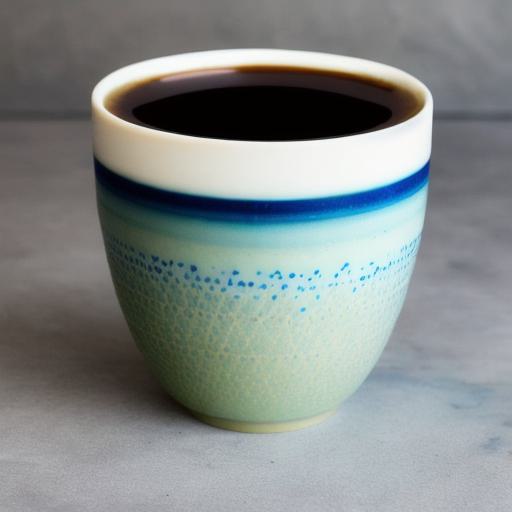
A viscosity cup is a type of coffee or tea made with tapioca pearls and coconut milk. It originated in the Philippines, where it is commonly known as "sago at gulaman." This drink is not only delicious but also healthy, thanks to the tapioca pearls which are a good source of fiber.
Ingredients Needed
To make a viscosity cup, you will need the following ingredients:
- Tapioca pearls (1 cup)
- Coconut milk (2 cups)
- Sugar (2 tablespoons)
- Vanilla extract (1 teaspoon)
Instructions for Making a Viscosity Cup
Step 1: Prepare the Tapioca Pearls
The first step in making a viscosity cup is to prepare the tapioca pearls. To do this, rinse the tapioca pearls in cold water until they are completely free of any starch. Then, soak them in water for at least 2 hours, or overnight, to soften them.
Step 2: Boil the Tapioca Pearls
Once the tapioca pearls have softened, drain and rinse them under cold water. Then, put them in a pot with 4 cups of water and bring it to a boil over high heat. Once it reaches a rolling boil, reduce the heat to medium-low and let it simmer for about 15 minutes or until the tapioca pearls are translucent.
Step 3: Add the Coconut Milk
After the tapioca pearls have cooked, add the coconut milk and sugar to the pot. Stir well to combine all the ingredients. Then, bring the mixture back to a boil over high heat. Once it reaches a rolling boil, reduce the heat to medium-low and let it simmer for about 10 minutes or until the mixture thickens.
Step 4: Add the Vanilla Extract
Once the mixture has thickened, remove it from the heat and stir in the vanilla extract. Then, pour the viscosity cup into a glass and serve immediately.
Tips for Making the Perfect Viscosity Cup
- For a creamier viscosity cup, use full-fat coconut milk instead of low-fat or skim milk.
- If you want to make your viscosity cup sweeter, add more sugar to taste.
- You can also add other flavors such as cinnamon or pandan leaves to make it more interesting.
- To store any leftovers, let the viscosity cup cool down and transfer it to an airtight container in the refrigerator. It will last for up to 3 days.
Summary
Making a viscosity cup is a simple and delicious recipe that anyone can make. With just a few ingredients and some easy steps, you can impress your friends and family with your cooking skills.