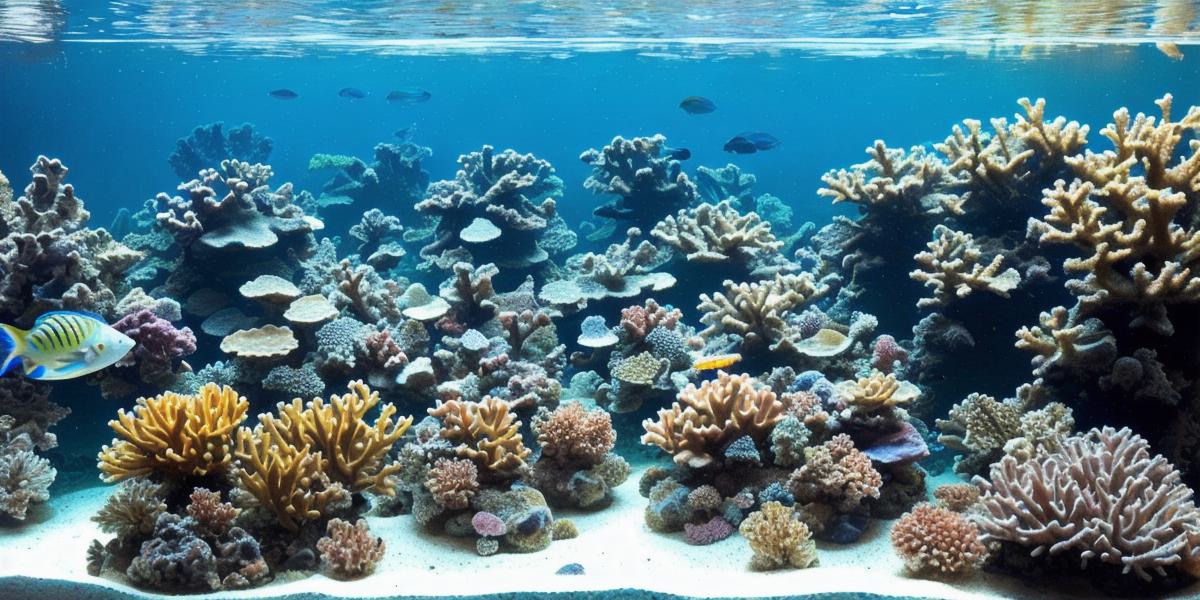
Magnesium is an essential nutrient for coral reefs and it’s a crucial element for healthy fish growth. However, maintaining the right levels of magnesium in your aquarium can be a challenging task. In this article, we will provide you with practical tips on how to effectively manage magnesium levels in your reef tank and ensure the health and well-being of your marine life.
Understanding Magnesium
Magnesium is a mineral that plays an important role in various biochemical reactions within the body, including muscle contractions, nerve impulses, and the formation of bones and teeth. In aquariums, magnesium helps to prevent algae growth and promote healthy coral growth. The ideal range for magnesium levels in a reef tank is between 20-40 ppm (parts per million).
Maintaining the Right Levels
The first step in managing magnesium levels in your reef tank is to ensure that you have the right equipment. You will need a test kit that can accurately measure the level of magnesium in your water. Additionally, you will need a source of magnesium such as Epsom salt or dolomite rock.
Once you have the necessary equipment and supplies, you can begin to monitor the levels of magnesium in your tank. Test the water regularly using your test kit and adjust the levels as needed. If the levels are too low, you can add magnesium to the water by dissolving Epsom salt or dolomite rock in a small amount of water. Be sure not to overdo it as adding too much magnesium can be harmful to your fish and coral.
Real-Life Examples
One real-life example of how managing magnesium levels in a reef tank can make a difference is the case of a popular aquarium store that had been experiencing unexplained algae growth in their tanks. After testing the water, they found that the magnesium levels were too low, leading to an imbalance in the aquatic ecosystem. By adding more magnesium to the water, the algae growth subsided, and the coral began to thrive once again.

FAQs
Q: How often should I test my tank for magnesium levels?
A: It is recommended to test your tank for magnesium levels once a week.
Q: What are the signs of low magnesium levels in my tank?
A: Signs of low magnesium levels include algae growth, weak coral and fish.
Q: Can adding too much magnesium be harmful to my fish and coral?
A: Yes, adding too much magnesium can cause stress on your fish and coral and potentially harm them.
Summary
Managing magnesium levels in your reef tank is essential for maintaining a healthy aquatic ecosystem. By regularly testing the water and making adjustments as needed, you can ensure that your fish and coral thrive in their natural environment. Remember to be patient and consistent in your efforts, and you will see the results of a well-managed reef tank.