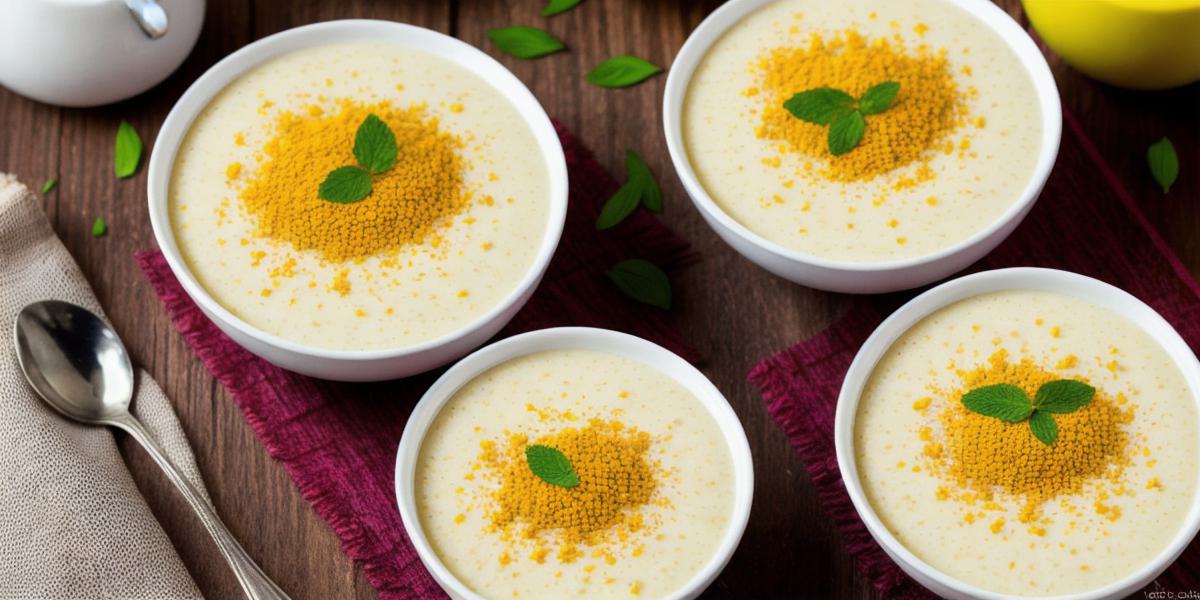
Are you looking for a sweet and creamy dessert that will tantalize your taste buds? Kheer, a beloved Pakistani rice pudding, is the perfect choice! In this ultimate guide, we’ll explore the history of kheer, its key ingredients, and a simple recipe to make this delicious dessert at home.
History of Kheer
Kheer has been a staple in Pakistani cuisine for centuries, believed to have originated in ancient India and brought to Pakistan during the Mughal era. The word "kheer" comes from the Urdu word "khir," which means "milk." Today, it’s popular not just in Pakistan but also in other parts of Asia, including India, Bangladesh, and Nepal.
Ingredients
The main ingredients used to make kheer are rice, milk, sugar, and spices such as cardamom, cinnamon, and nutmeg. Short-grain rice is typically used due to its ability to cook quickly and absorb the milk and spices well. Fresh or condensed milk can be used for added richness. White sugar is commonly used, but brown sugar can provide a more natural sweetness. Cardamom, cinnamon, nutmeg, cloves, and star anise are common spices in kheer.
Cooking Kheer
To make kheer, rinse the rice in cold water until it runs clear. In a large saucepan, combine the rice, milk, sugar, cardamoms, cinnamon sticks, cloves, nutmeg, salt, and spices of your choice. Bring to a boil over medium-high heat, then reduce heat to low, cover with a lid, and simmer for 18-20 minutes or until rice is cooked and milk has thickened. Remove from heat, let it cool slightly, garnish with sliced almonds and chopped nuts (optional), and serve warm.
Tips and Variations
Customize your kheer recipe by using different types of milk like coconut or almond milk for a dairy-free version, adding dried fruits such as raisins, apricots, and dates for extra sweetness, or experimenting with spices like ginger or black pepper. Kheer can be made ahead of time and stored in the fridge for up to 3 days. You can also add a pinch of saffron or turmeric to give it a unique flavor.
FAQs
Yes, kheer can be made ahead of time and reheated gently before serving. It is naturally gluten-free as it does not contain wheat or barley products. Leftover rice can also be used to make kheer, just rinse it thoroughly first. Some people prefer using Basmati rice instead of short-grain rice, but short-grain rice is traditionally used for making kheer.

Summary
Kheer is a beloved Pakistani dessert known for its rich and creamy texture and warm spices. Whether you’re looking for a special occasion treat or just want something delicious at home, give kheer a try and see why it’s a Pakistani favorite! It’s an easy recipe to make and can be customized to suit your taste preferences.