Painting is a fun and creative hobby that can help you express yourself and add beauty to your home or office. In this article, we will guide you through the process of painting a donkey by Naomi Shahib Nye, including step-by-step instructions, tips, and tricks.
Step 1: Gather Your Supplies
Before you start painting, make sure you have all the necessary supplies. You will need:
- Paintbrushes (various sizes)
- Acrylic paint (various colors)
- A canvas or paper (preferably pre-stretched)
- Painter’s tape
- A palette knife
- A cup of water
- Paper towels
- Easels
Step 2: Choose Your Canvas Size
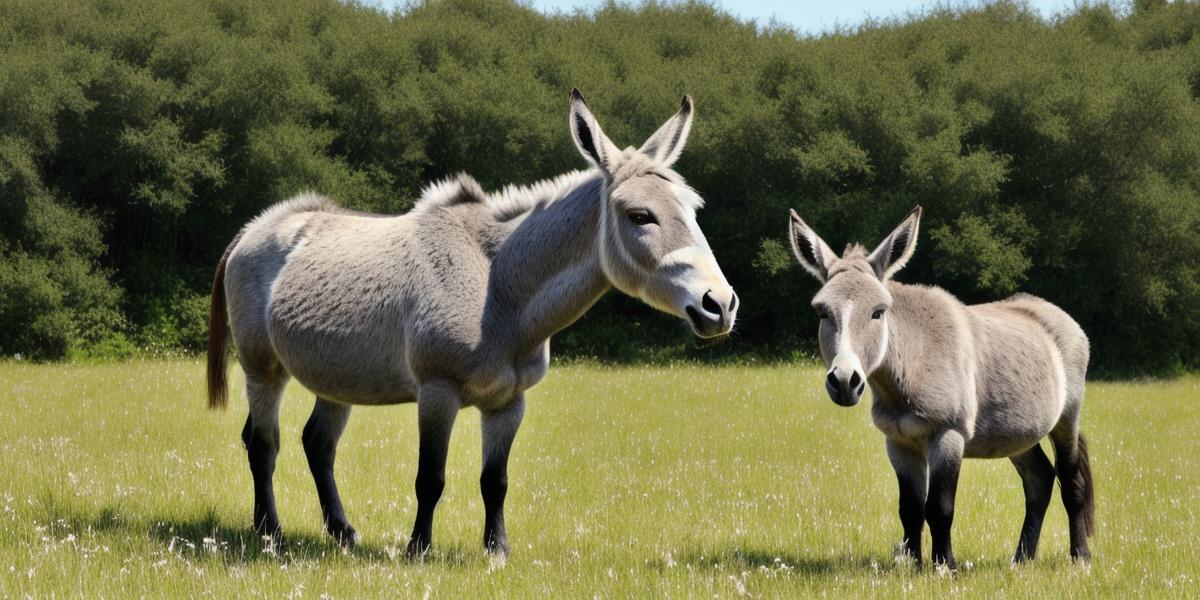
Choose the size of your canvas depending on how big you want your donkey to be. Naomi Shahib Nye’s painting is a great example of how to paint a realistic-looking donkey in a small space, but if you prefer a larger image, you can use a larger canvas.
Step 3: Prepare Your Canvas
Before you start painting, prepare your canvas by cleaning it thoroughly and allowing it to dry completely. You can also prime the surface with gesso to make it smoother and more absorbent.
Step 4: Sketch Your Donkey
Sketching is an essential step in painting a donkey. Start by drawing the basic shapes of your donkey’s body, head, ears, and legs. Then, add details such as the eyes, nose, and mouth. Make sure to pay attention to the donkey’s proportions and the placement of its features.
Step 5: Paint the Donkey’s Coat
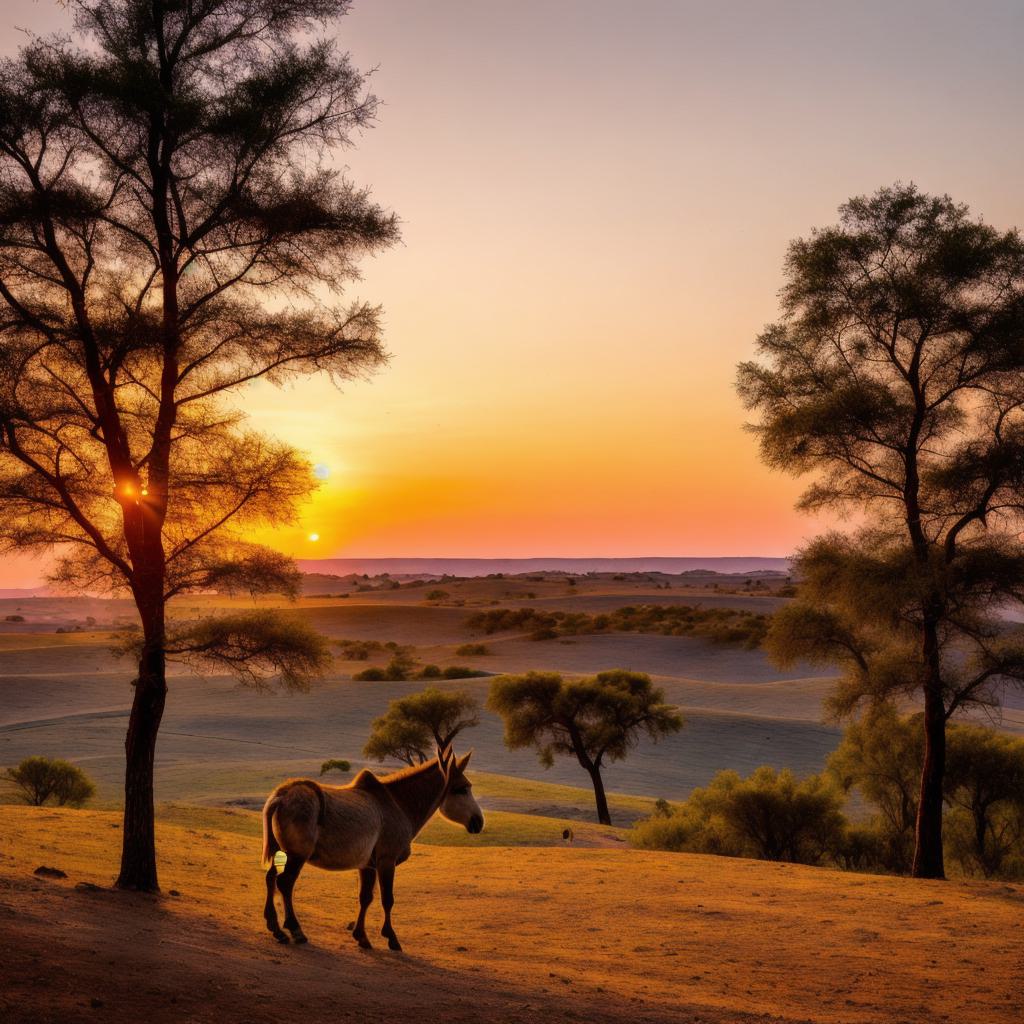
Use acrylic paint to paint the donkey’s coat. Start with the base color and then add shading and highlights to create depth and texture. You can use a palette knife to apply thick layers of paint to the areas where the light hits the donkey, such as the chest and face.
Step 6: Paint the Donkey’s Ears and Muzzle
Use a smaller brush to paint the donkey’s ears and muzzle. Start with the base color and then add highlights and shadows to make them look more realistic. You can also use a palette knife to apply thick layers of paint to the areas where the light hits the ears and muzzle.
Step 7: Paint the Donkey’s Legs and Feet
Use a smaller brush to paint the donkey’s legs and feet. Start with the base color and then add highlights and shadows to make them look more realistic. You can also use a palette knife to apply thick layers of paint to the areas where the light hits the legs and feet.
Step 8: Add Final Touches
Add final touches such as the donkey’s eyes, nose, and mouth. Use acrylic paint to add shading and highlights to these features to make them look more realistic. You can also use a smaller brush to paint in the donkey’s mane and tail.
Step 9: Clean Up Your Workspace
Clean up your workspace by removing all your supplies and putting them away. Make sure to wash your brushes thoroughly and allow them to dry completely before storing them.
Conclusion
Painting a donkey is a fun and rewarding hobby that can help you express yourself and add beauty to your home or office. With the right supplies, techniques, and patience, anyone can create a realistic-looking donkey painting. Remember to pay attention to proportions, details, and lighting to achieve the best results.