Are you tired of your pond leaking or losing water? Are you looking for a solution that will keep your pond healthy and happy for years to come? Look no further than bentonite pond liners. In this article, we’ll take a deep dive into the world of bentonite pond liners and show you how to properly apply them for optimal results.
Bentonite Pond Liners 101: What are they?
Before we get started, let’s first understand what bentonite pond liners are. Bentonite is a type of clay that is commonly found in the southwestern United States and parts of Mexico. It has a unique property known as "swelling," which allows it to absorb water and expand when wet, creating an incredibly strong and durable barrier.
Bentonite pond liners are made by mixing bentonite clay with other materials such as sand or gravel to create a paste that can be applied to the bottom of a pond. The paste is then allowed to dry and harden, forming a watertight barrier that will prevent leaks and keep your pond filled for years to come.
How to Apply Bentonite Pond Liners
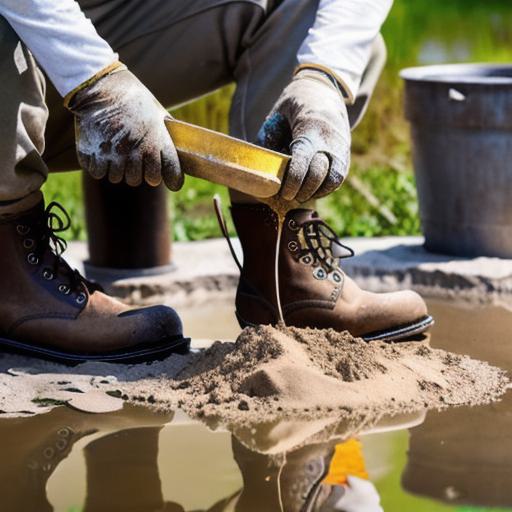
Now that we know what bentonite pond liners are, let’s talk about how to apply them. The first step is to prepare the area where the liner will be applied. This involves removing any debris or rocks from the bottom of the pond and smoothing out any rough spots with a rake or trowel.
Once the area is prepared, it’s time to mix the bentonite paste. To do this, you’ll need to follow these steps:
- Gather all of the materials needed to make the bentonite paste. This includes bentonite clay, water, sand or gravel (if using), and any other additives such as lime or cement.
- Mix the ingredients together in a large container until you achieve the desired consistency. The mixture should be thick and slurry, but not so thick that it’s difficult to spread.
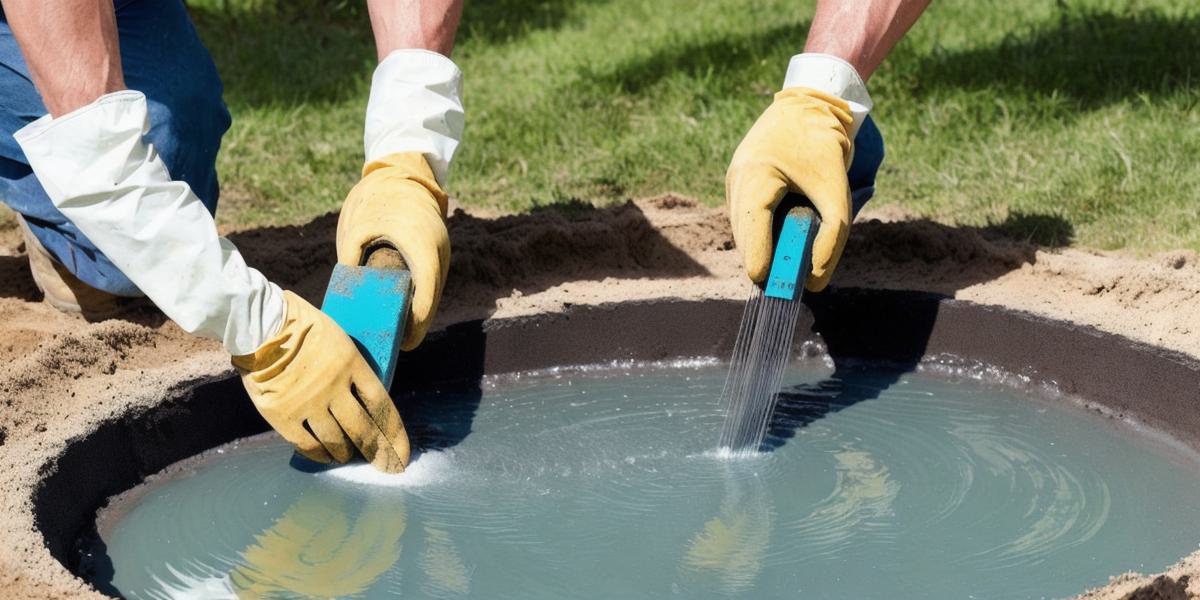
- Apply the bentonite paste to the bottom of the pond using a trowel or other tool. Start at one end of the pond and work your way across, making sure to spread the paste evenly over the entire surface.
- Allow the bentonite paste to dry completely before adding water to the pond. This can take anywhere from 24 to 48 hours, depending on the size and depth of the pond.
- Once the paste has dried, fill the pond with water and test for leaks by checking the water level over a period of time. If there are no leaks, then your bentonite liner is properly applied and ready to use!
Tips for Successful Bentonite Pond Lining Application
Here are a few tips to help ensure that your bentonite pond liner application is successful:
- Choose the right type of bentonite clay for your pond. Different types of bentonite have different properties, so it’s important to choose the one that will work best for your specific needs.
- Mix the ingredients carefully. It’s important to get the right consistency for your bentonite paste, as this will affect how well it adheres to the bottom of the pond.
- Apply the paste evenly.